
 Book Now (Save £60)
Even a low-speed crash can leave you shaken. In the hours and days afterwards you might notice a stiff neck, a headache or a sense that something is not right.
This guide explains what whiplash is, when to get urgent help, how to look after yourself early on, and how treatment may help. It is written for people who have already been checked by a doctor or A&E.
What are the symptoms of whiplash?
Whiplash is a neck injury caused by a sudden acceleration-deceleration movement of the head, a bit like the crack of a whip. It is commonly caused by road traffic collisions, often a rear-end one. It can also happen in contact sports. The clinical name is whiplash-associated disorders.
Everyone’s experience differs, but symptoms may include:
- Neck pain and stiffness
- Headaches, often at the base of the skull
- Pain in the neck and shoulders or upper back
- A reduced range of movement, such as struggling to turn your head to check over your shoulder
- Intermittent sharp pain or muscle spasm
- Tiredness
Mild difficulty concentrating can happen too, but if it is new, getting worse, or comes with headache, sensitivity to light or noise, memory problems or nausea, treat it as one of the urgent symptoms below and get it checked.
Symptoms do not always appear straight away. Neck pain can build over several hours or appear a day or two later.
When to get urgent medical help
Some symptoms point to something more serious that needs a doctor first. Please call 999 or go to A&E, or contact NHS 111 or your GP urgently, instead of booking an appointment, if after an accident you have:
- Severe neck pain after a high-speed or high-impact crash
- Numbness, tingling, pins and needles or weakness in your arms or legs
- Loss of balance or difficulty walking
- Problems with speech, swallowing or vision
- Dizziness, vertigo, fainting or confusion
- A severe or worsening headache
- Changes in bladder or bowel control
- Pain that is severe and getting steadily worse
If you have not yet been checked by a doctor or A&E since the accident, please get checked first. Treatment here is for people whose serious injury has been ruled out. If you are unsure, NHS 111 can advise you.
Looking after your neck and upper back in the first few days
Once a doctor has ruled out anything serious, aim to stay as comfortable and active as you sensibly can.
- Keep moving gently. Resting the neck completely can leave it stiffer. Slow turns from side to side, within comfort, are usually encouraged.
- Stay active. Normal activities within comfort are generally better than staying in bed.
- Use heat or cold. A warm wheat bag or a cold pack wrapped in a towel can ease the area.
- Avoid routine use of a neck collar. Current clinical thinking in the UK generally advises against it, because keeping the neck still for long periods is not usually helpful.
- Mind your sleep and posture. A supportive pillow and regular breaks from sitting can help.
If your symptoms are not settling, it is sensible to speak to a physiotherapist rather than waiting and hoping.
How physiotherapy for whiplash works: assessment and treatment
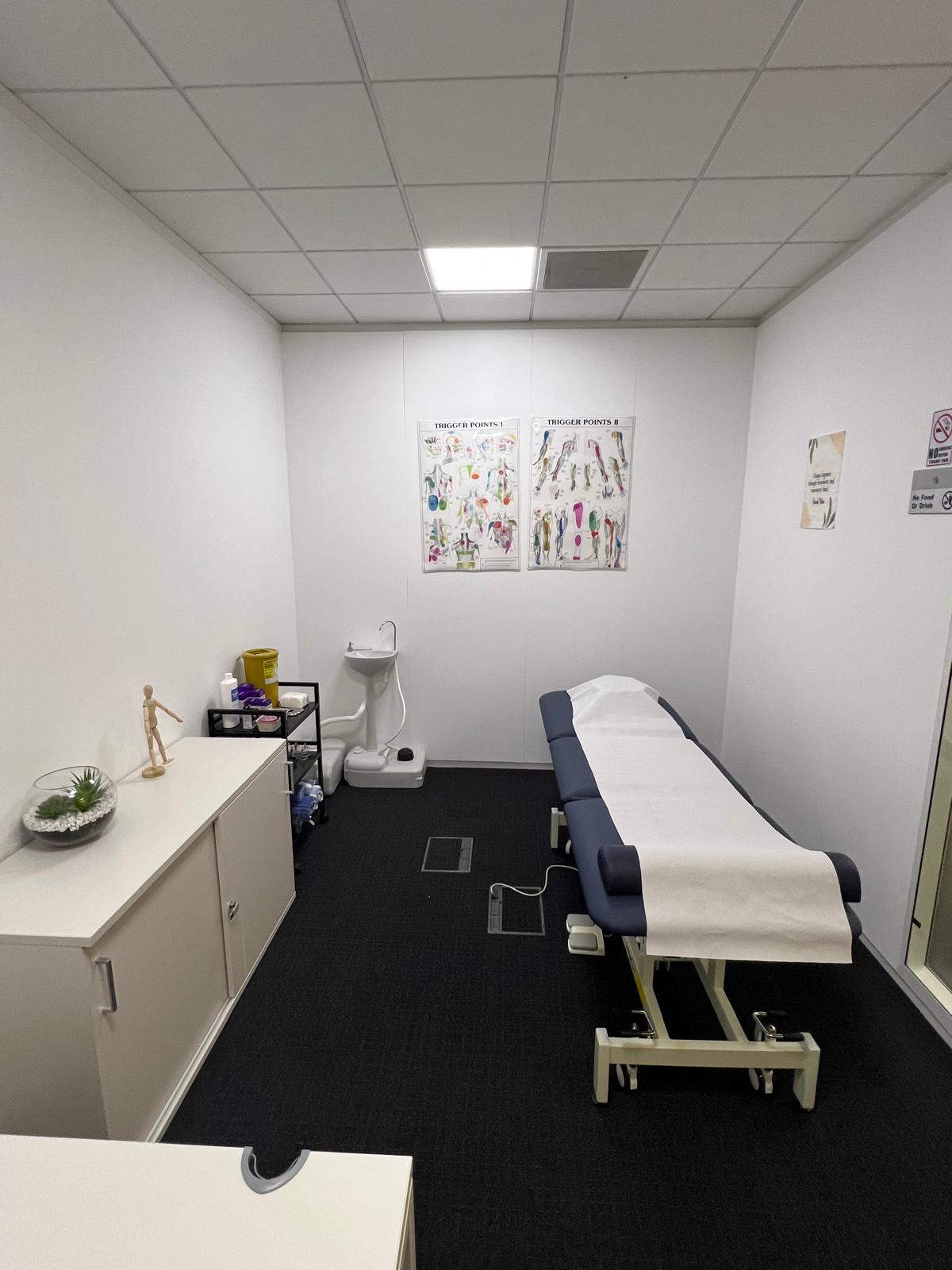
At Kinetic Care Physiotherapy & Acupuncture Clinic, your first visit is an assessment with Rupali Mandve, an HCPC-registered physiotherapist who also practises Western acupuncture. The clinic is at Green Park in south Reading.
The assessment usually covers:
- Your history. How the accident happened and how your symptoms have changed.
- Movement, strength and posture. Rupali checks how your neck moves and where the pain points are.
- Screening. Rupali checks for signs that point to something more serious, such as concussion or a problem with the blood vessels in the neck. If anything suggests you should see a doctor first, she will tell you.
- An explanation. You should leave understanding what is going on, in plain language.
- A plan. You and Rupali agree what is needed, and why.
Many physiotherapists now recommend early movement and staying active, rather than relying only on passive treatments. Kinetic Care takes a combined approach, which may include:
- Graded exercise. This starts at a level you can manage, and may include gentle strengthening exercises.
- Manual therapy. Gentle joint mobilisation and soft tissue work aim to ease stiffness and improve range of movement. Some people find it helps with pain relief.
- Western acupuncture. Fine, single-use needles stimulate nerves, muscles and connective tissue. They are used alongside exercise, not instead of it.
- Electrotherapy. This includes interferential therapy and therapeutic ultrasound. TECAR is a type of radiofrequency treatment delivered through a handheld applicator. Rupali can explain what each involves.
You will usually be given a home programme to support what happens in the clinic. None of this promises a particular result.
Rehabilitation: returning to driving, work and exercise
You may feel anxious about driving again, and that is understandable.
Driving. Being able to turn your head comfortably to check blind spots matters. Rupali can assess your neck movement and talk through when short, familiar journeys might make sense.
Work. A return to work can be gradual. Adjusting your screen, chair and break routine may help.
Exercise. Returning to the gym, running or sport works best in stages. A graded approach aims to rebuild strength and confidence.
Progress is rarely a straight line. Some days will feel better than others.
Frequently asked questions
Can a physio help with whiplash?
Some people find a physiotherapist helps them move more comfortably. They can assess your neck, explain what is happening and build a plan. No result can be promised.
Do I need to go to A&E for whiplash?
Call 999 or go to A&E if you have any of the urgent symptoms above. If you have not been checked by a doctor or A&E since the accident, get checked first.
Should I wear a neck collar?
Current clinical thinking in the UK generally advises against routine use of a neck collar. Gentle movement within comfort is usually encouraged instead. If a doctor or A&E gave you a collar, follow their advice.
How many physiotherapy sessions will I need?
It depends on your assessment and cannot be predicted in advance. Your plan will be explained after your first visit and reviewed with you as you go.
Book an assessment in Reading
If you have a stiff, sore neck after a car accident and a doctor has ruled out anything serious, you do not have to work it out alone. Kinetic Care is at Green Park, Reading RG2 6UB.
To get started, book your initial assessment online, or call 07350 350265 to talk it through with the clinic.
Comments are closed