
 Book Now (Save £60)
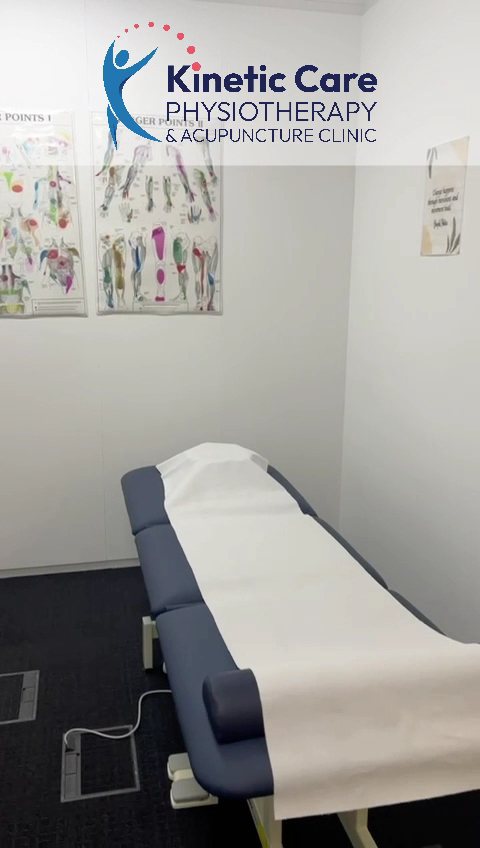
If you have never seen a physio, a first visit can feel like a step into the unknown. You may wonder what you will be asked, what to wear and whether it will hurt. This guide explains what happens at Kinetic Care Physiotherapy & Acupuncture Clinic at Green Park in Reading.
It is for anyone thinking about physiotherapy in Reading for the first time. A private clinic visit is outpatient physiotherapy that you book yourself. Here is how physiotherapy works for you, from the first appointment onwards.
Who will you see at this Reading physio clinic?
Kinetic Care has one practitioner. Every appointment is with Rupali Mandve, the founder. She is an HCPC-registered physiotherapist who also practises Western acupuncture, with over 15 years’ experience in India and the UK.
Because you see the same physiotherapist each time, you do not have to repeat your story, and your physiotherapy care stays joined up.
Rupali’s areas of practice are musculoskeletal (MSK) and women’s health physiotherapy, sports injury management and post-surgical rehabilitation. Her approach combines physiotherapy, manual therapy and exercise into one personalised plan, with a focus on movement and self-management.
Which problems can a physiotherapist help with?
A physiotherapist is trained to assess and treat problems with muscles, joints and movement. This can include injuries and pain, as well as mobility issues. These are often called MSK conditions. The clinic covers a wide range of conditions, grouped here:
- Spine and head: neck pain, upper and lower back pain, headaches and SI joint dysfunction
- Arms and jaw: shoulder, elbow, wrist and hand pain, and jaw dysfunction (TMD)
- Hips, legs and feet: hip pain, knee pain, foot and ankle problems
- Joints and surgery: arthritic conditions, and care before or after an operation
Women’s health work includes physiotherapy for pelvic health, and sports injuries are another area of practice. If you have had a total hip replacement or a knee replacement, wherever it was done, including the Royal Berkshire Hospital or Circle Reading Hospital, post-operative rehabilitation may be part of your plan. If your problem is not listed, call and ask whether Rupali can help.
How should you prepare for your first visit?
Wear comfortable, loose clothing that lets you move and lets Rupali see and reach the area. Shorts help for knee, hip or foot problems. A vest top or loose T-shirt suits neck and shoulder problems.
Bring any letters or scan reports, though they are not essential. It also helps to jot down a few notes:
- when the problem started and what seemed to trigger it
- what makes it better or worse
- how it affects your work, sleep or exercise
- what you would like to do more comfortably
If you feel nervous, tell Rupali at the start. You can ask questions, or ask for anything to be explained again, at any point.
What happens at your first assessment?
The new-patient appointment usually takes 60 minutes. It combines your full assessment with your first treatment. Good patient care starts with listening. The assessment follows five steps:
- Your history. You describe your symptoms, how they began and how they affect you, in your own words.
- Movement, strength and posture. Rupali checks how you move, how strong your muscles are and how you hold yourself.
- Special tests. These clinical tests help show which structures may be adding to your symptoms.
- An explanation. You hear what was found, in plain language.
- Your treatment plan. Together you agree what to focus on and what you can do between sessions.
Your first treatment then begins, based on what the assessment found.
Which physiotherapy treatment options might you be offered?
Rupali is trained in manual therapy, Western acupuncture, kinesiology taping, dry cupping, neural tissue mobilisation and IASTM. This range of treatments lets your plan be individualised. Not every option will suit you. The aim is to choose what fits your findings and your preferences.
- Joint and spine mobilisation. Gentle hands-on movement that aims to help stiff areas move more comfortably.
- Soft tissue and myofascial work. Hands-on work on muscles and the tissue around them, which may help ease tension.
- Sports taping and IASTM. Tape supports an area or gives feedback as you move. IASTM uses a smooth-edged tool on the skin over muscles and tendons.
- Dry cupping. Cups placed on the skin over the area, which some people find helpful for tightness.
- Exercise rehabilitation. Guided exercises that aim to build strength, control and confidence in movement.
- Western acupuncture and dry needling. Fine, single-use needles stimulate nerves, muscles and connective tissue. They are used alongside exercise, only when your assessment suggests they may help and you are comfortable.
- Electrotherapy. Forms such as interferential therapy, therapeutic ultrasound and TECAR, used where your plan calls for it.
If you are unsure about any technique, especially needles, ask for a full explanation first. You choose what happens.
What does your rehabilitation programme involve at home?
Follow-up sessions build on your first visit. They may include hands-on therapy, guided exercises and electrotherapy, depending on your treatment programme. You will also get advice on exercises to do at home.
The focus is movement and self-management. Your personalised rehabilitation aims to help restore movement and may support you in getting back to your normal activities. The aim is for you to understand your body better and have tools to use between appointments. Rupali writes tailored treatment plans from your assessment, not a standard sheet.
Your plan can change as you do. If an exercise routine is not realistic, tell Rupali. A programme you can manage is more useful than an ambitious one you cannot.
Where is the clinic in Reading, Berkshire?
Kinetic Care is in the Regus building at 200 Brook Drive, Green Park, Reading, Berkshire RG2 6UB. Green Park is a business park in south Reading, close to the M4 at junction 11. The clinic is conveniently located if you work at Green Park or nearby. It is a private physiotherapy service, so you book directly.
Whether you are coming from Tilehurst, Earley or central Reading, call the clinic if you have questions about getting there.
Frequently asked questions
Do I need a GP or NHS referral?
In the UK you can generally book private physiotherapy without a referral. You do not need to go through an NHS physiotherapy department first. If you are unsure about your own situation, call the clinic and ask before you book.
How long is the first appointment?
The new-patient appointment is usually 60 minutes, including your first treatment. A shorter 30-minute assessment is also available.
Are needles part of every session?
No. Needling is one option among several. It is used only when your assessment suggests it may help and you are comfortable with it.
How many sessions will I need?
That cannot be predicted before you have been assessed. It depends on what your assessment finds, how you respond and what you want to achieve. You and Rupali agree what is needed as you go, and why.
When should I get urgent help instead of booking physio?
Physiotherapy is not an emergency service. If you have sudden severe pain after a fall or accident, numbness around the groin or inner thighs, new problems controlling your bladder or bowel, weakness spreading in your legs, chest pain, or you feel generally unwell with a fever alongside your pain, call 999 or go to A&E in an emergency, or contact your GP or NHS 111 for urgent advice.
If anything in your assessment suggests you should see a doctor, Rupali will explain this to you.
Ready to book your first visit?
If you have been putting off seeing a physiotherapist in Reading because you were unsure what to expect, a first visit is a chance to ask questions and hear what may be going on. When you are ready, book your first appointment online. If you would rather talk first, call 07350 350265 and ask anything you like.
Comments are closed