
 Book Now (Save £60)
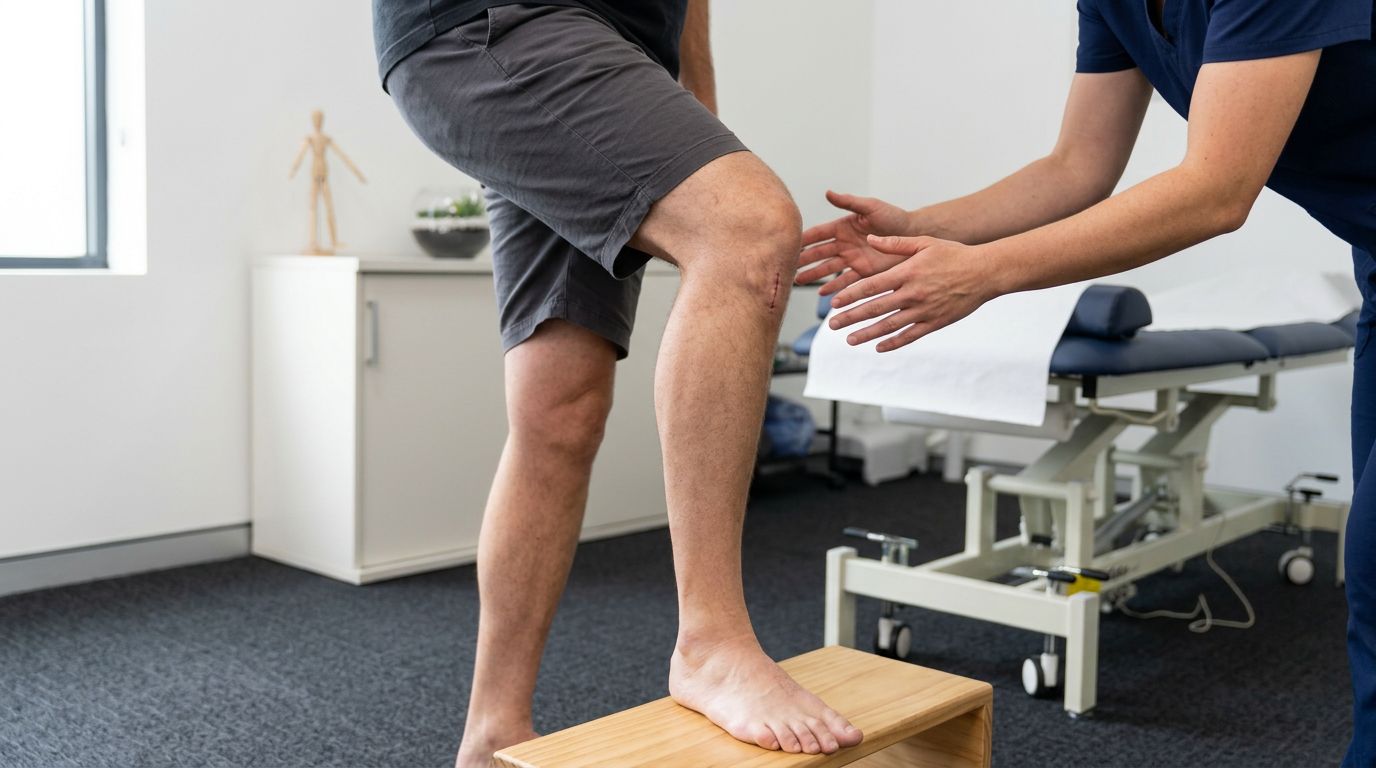
Leaving hospital can bring relief and a lot of questions. You may have a wound to protect, instructions to follow, and no clear idea what happens next.
This guide explains how physiotherapy fits into recovery after surgery, stage by stage. It is a general explanation, not a timetable or a promise of any result. Your surgeon’s plan always comes first.
Why physiotherapy is important after surgery
An operation deals with a structural problem, but it is only one part of the recovery process. Afterwards, the tissues around the area need protecting, then loading again bit by bit. Resting can lead to muscle weakness. Pain or stiffness may have changed how you move.
Alongside your surgeon’s care, physiotherapy plays a supporting part. It can help you understand what is safe and introduce movement in a sensible order. It can also support you as you rebuild confidence in how you move. It teaches you to manage your own progress between appointments.
People often seek rehabilitation following orthopaedic surgery, such as joint replacement. Some seek it after surgical repairs of ligaments or tendons. Others want support following spinal surgery or abdominal surgery. Each type of surgery requires its own precautions. Your age, general health and surgeon’s instructions all shape your surgery recovery. Recovery time varies and cannot be predicted.
What are the stages of post operative rehabilitation?
Post-surgical rehabilitation is often described in four stages. They are a framework based on goals, not a calendar. Stages overlap, progress is rarely a straight line, and your surgeon’s protocol sets the pace.
A good day may be followed by a harder one. That is part of the rehabilitation journey.
Stage 1: what does early protection and gentle movement involve?
This stage is about protecting the surgical repair. In the first days after surgery, your goals often centre on caring for the surgical site and managing swelling around the surgical area. The rest of you keeps moving, within the limits your surgeon or hospital team has set. Another aim is finding safe ways to get in and out of bed, sit, stand and walk.
Rupali can explain which movements to avoid for now. She can also show you gentle exercises that fit your protocol. Pain management is led by your surgical team or GP, so ask them if pain is a worry.
Stage 2: how do you start restoring range of movement and basic strength?
Once your surgeon’s guidance allows, the focus moves to restoring movement and helping you regain basic strength. Joints that have been protected may need careful, step-by-step work.
This may include manual therapy such as joint mobilisation, alongside targeted exercises that may help reduce stiffness. The aim is controlled movement, not pushing through discomfort.
Stage 3: how do you build strength, balance and control?
Rehabilitation can help you work on strength, balance and coordination. This matters for everyday tasks, such as climbing stairs, carrying shopping or sitting at a desk in comfort.
Physiotherapy focuses on the strength you lost while protecting the area. Exercises change as you progress. Home exercises matter more now. The work between physio sessions shapes how each session builds on the last.
Stage 4: how do you return to the activities that matter to you?
The final stage looks outward: work, sport, hobbies and the things you want to be doing. Your return to daily activities happens when your surgeon and Rupali agree it is right. It is added bit by bit.
Rupali can help you make a sensible plan for your own recovery goals.
How does physio fit with your surgical team’s plan?
Physiotherapy works alongside, never instead of, the protocol and restrictions set by your surgeon or hospital team. Your surgeon knows exactly what the surgical procedure involved. That knowledge takes priority at every stage of your rehabilitation. Start only when they say so.
Rupali will ask to see your discharge letter, operation notes or protocol. She will build your rehabilitation plan around them. If your goals and your surgeon’s instructions pull apart, the instructions come first.
Preparing for surgery: can pre-operative physiotherapy help?
Pre-operative rehabilitation is one of Rupali’s areas of practice. Before an operation, it involves an assessment of your current movement and strength. It also involves guidance on exercises and setting up your home environment.
Pre-operative physiotherapy can help you understand what to expect before your operation.
What should you bring to your first appointment?
- Your discharge letter and any operation notes
- Any rehab protocol or exercise sheet you were given
- A list of questions
- Details of your daily routine, work and the activities you want to return to
Wear comfortable, loose clothing that lets Rupali see and move the operated area.
Before booking, check that your surgical team is happy for you to begin private post surgery physiotherapy. Also ask about any restrictions on hands-on treatment or exercise.
What happens at your first post-operative physiotherapy appointment?
Your first physio visit is an initial assessment at Kinetic Care Physiotherapy & Acupuncture Clinic. It is with Rupali Mandve, an HCPC-registered physiotherapist. Her areas of practice include post surgical rehabilitation and pre- and post-operative rehabilitation.
The assessment covers:
- Your history, including your operation and your protocol
- A check of movement, strength and posture, within your protocol’s limits
- A plain-language explanation of what she finds and why
- A physiotherapy plan built around your goals
What does structured post-surgery rehabilitation ask of you at home?
Much of your recovery following surgery happens outside the treatment room. Structured physiotherapy combines hands-on treatment, guided exercises and home exercise advice. A structured rehabilitation programme gives each exercise a purpose.
- Do your exercises as taught, and ask if you are unsure.
- Pace yourself: a little done regularly can be more useful than a lot on a good day.
- Note how the area feels afterwards and bring it to appointments.
- Keep to your restrictions until your surgeon changes them.
When should you seek medical advice instead of waiting for an appointment?
Do not save new or worsening symptoms for a physiotherapy appointment. Your surgical team’s instructions are there to help reduce the risk of complications, so report changes early. Contact your surgical team or GP promptly if you notice:
- A wound that is hot, red or increasingly swollen
- A fever
- Calf pain, swelling or tenderness
- A sudden loss of movement
Sudden chest pain, breathlessness, or coughing up blood: call 999 immediately. If symptoms feel urgent, call NHS 111.
Where is the Kinetic Care physiotherapy service?
Kinetic Care is at Green Park, Reading, Berkshire RG2 6UB, near the M4 at junction 11. Rupali offers physiotherapy support here. This includes MSK and women’s health physiotherapy and sports injury management. It also includes physio for post-operative recovery and rehabilitation before surgery.
Frequently asked questions about post surgical rehabilitation
When should I start physiotherapy after surgery?
When your surgeon says so. Some operations come with an early hospital plan, while others have a period of protection first. If you are unsure, ask before booking.
Do I need a referral?
You can generally book private physiotherapy directly without a GP referral. It is still wise to tell your surgeon, so they can mention any restrictions.
How many physiotherapy sessions will I need after surgery?
That varies depending on the type of operation, your assessment and your goals, and it cannot be predicted in advance. Rupali will explain her plan after your assessment and review it as you progress.
Is post operative physiotherapy painful?
Some people feel discomfort as they start moving again, but exercises stay within your surgeon’s limits. Tell Rupali if something feels too much, and seek medical advice for pain that is new or worsening.
Can physiotherapy help after a hip or knee replacement?
Physiotherapy following a hip or knee joint replacement may help you rebuild strength and confidence with movement. It works within your surgeon’s protocol. Results differ from person to person.
Take the next step
You may be recovering after surgery or getting ready for it. Physiotherapy can help you understand where you are and what comes next. Rupali will listen to your history and assess how you move. She will then personalise a plan that sits alongside your surgeon’s guidance.
You can book your initial assessment online, or call 07350 350265 to ask a question first. Bring your discharge letter and any protocol, and you can plan the next steps together.
Comments are closed